Skip to content


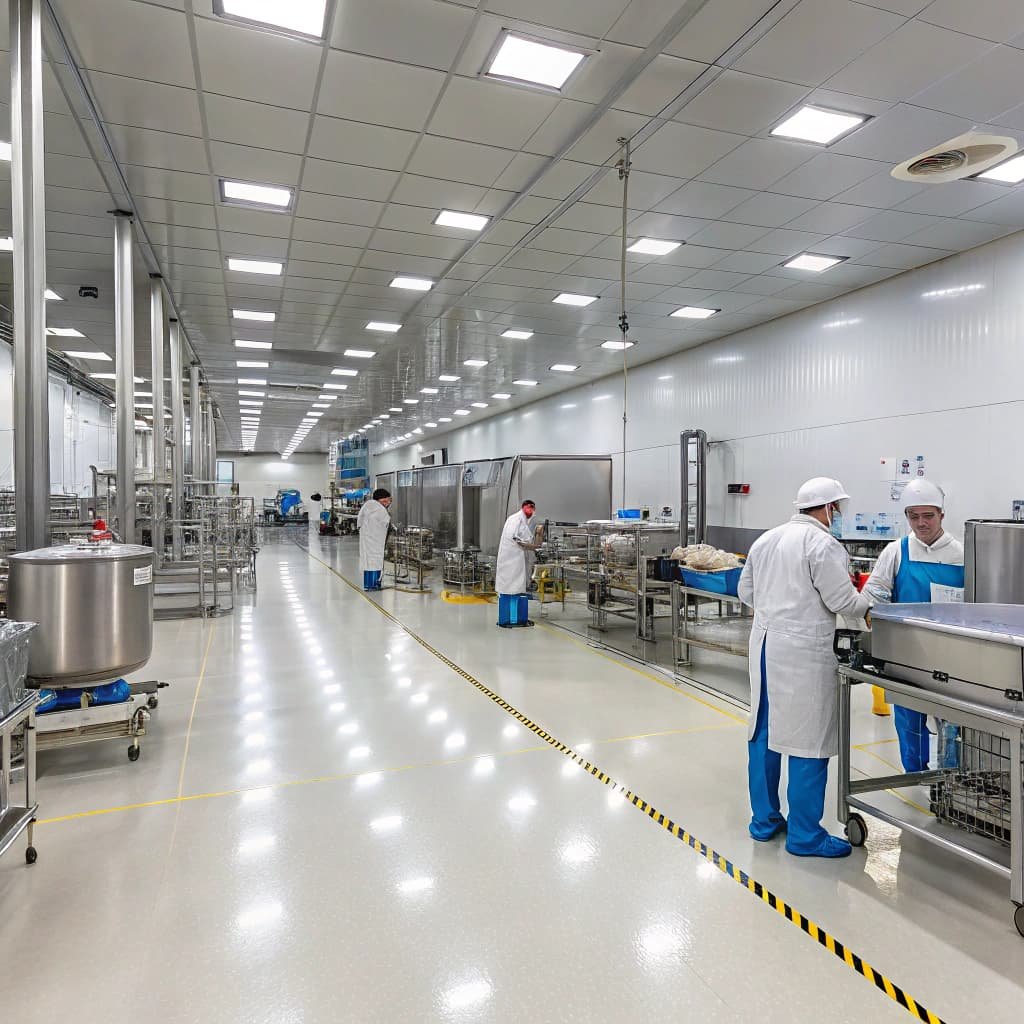
Manufacturers and commercial kitchen operators face constant pressure to maintain hygiene standards while managing equipment longevity. Using a metal that fails to resist corrosion or leaches chemicals into food can lead to costly production shutdowns and health safety violations. True food-grade stainless steel must provide a stable, non-porous surface that withstands both organic acids and aggressive sanitization cycles.
This guide examines the regulatory frameworks governing food contact materials, including FDA 21 CFR and NSF/ANSI 51. We analyze why a minimum of 16% chromium is necessary to form a protective oxide film and how a surface roughness (Ra) of 0.8 µm prevents bacterial attachment. You will find a detailed comparison of common grades like 304 and 316 to help you choose the right alloy for your specific processing environment.
Defining “Food Grade” (FDA & NSF Standards)
Food-grade stainless steel must meet specific 2026 safety benchmarks, requiring at least 16% chromium to ensure corrosion resistance. Standards like NSF/ANSI 51 and FDA 21 CFR certify that the metal is non-toxic, non-porous, and stable enough to prevent chemical leaching or bacterial growth during food contact.
| Stainless Grade / Standard | Metallurgical Composition | Compliance & Certification |
|---|---|---|
| Type 304 (18/8) | 18% Chromium, 8% Nickel | FDA 21 CFR, NSF/ANSI 51, 3-A |
| Type 316 | 16% Chromium, 10% Nickel, 2% Molybdenum | High Acid/Chloride Resistance |
| Type 430 | 16% Chromium, Ferritic Structure | Stress Corrosion Resistance |
Regulatory Frameworks: FDA 21 CFR and NSF/ANSI 51
FDA 21 CFR guidelines define the chemical stability required for materials that act as indirect food additives. These regulations ensure the metal does not leach harmful substances into food products during prolonged contact. NSF/ANSI 51 establishes rigorous criteria for food equipment materials, specifically focusing on cleanability and non-toxicity to prevent the growth of harmful pathogens.
3-A Sanitary Standards provide specific design and construction protocols for dairy and high-hygiene food processing equipment. These protocols mandate smooth surfaces and the elimination of crevices where bacteria might hide. Compliance with ISO 15510 and EN 10088 ensures global traceability, allowing manufacturers to verify the alloy source and quality for food-grade applications.
Technical Metallurgy and Material Performance Data
A minimum 16% chromium content forms the passive oxide film that prevents rust migration into food supplies. ASTM A276 standards for food-grade 304 (UNS S30400) mandate strict limits, including silicon levels at or below 1% and the exclusion of added nitrogen. These requirements preserve the material’s structural integrity when exposed to heat and cleaning chemicals.
Low-leaching requirements ensure the material maintains a corrosion rate below 0.1 mm/year, even in acidic environments. Non-porous surface finishes prevent microscopic crevices from harboring pathogens like Listeria or E. coli. Engineering validation prioritizes these smooth finishes to ensure equipment meets the sanitization demands of commercial kitchens and industrial processing plants.
Why 304 is the Kitchen Industry Standard
304 stainless steel, often called 18/8, is the preferred material for professional kitchens due to its balance of corrosion resistance and durability. Its high chromium and nickel content ensures it withstands moisture and food acids while remaining easy to sanitize, meeting global hygiene standards like NSF/ANSI 51 for safe, daily food preparation.
| Technical Property | Specification | Kitchen Benefit |
|---|---|---|
| Chemical Composition | 18% Chromium, 8% Nickel | Resists rust and organic food acids |
| Mechanical Strength | ≥515 MPa Tensile Strength | Prevents cracking during deep-drawing |
| Thermal Threshold | 870°C Oxidation Resistance | Suitable for high-heat equipment |
Chemical Composition and Resistance to Food Acids
The 18/8 alloy structure creates a stable, self-healing oxide layer on the metal surface. This protective barrier stops pitting and surface degradation when the material encounters organic acids found in fruits, meats, and vegetables. By maintaining a non-reactive surface, 304 stainless steel prevents metallic leaching and flavor transfer during food processing.
The high nickel concentration stabilizes the austenitic structure, allowing it to outperform lower-grade 201 stainless steel in high-humidity zones. This chemical stability ensures that sinks, prep tables, and storage containers remain rust-free even after years of exposure to water and cleaning agents.
Physical Durability and Compliance with Global Standards
Global regulatory bodies recognize 304 stainless steel for its hygiene and safety. It meets NSF/ANSI 51 requirements for food contact materials and ASTM A240 specifications for pressure-containing parts. These certifications confirm the metal can withstand the rigorous sanitation protocols required in commercial food environments.
The material provides a minimum tensile strength of 515 MPa and 40% elongation, which supports the fabrication of complex kitchen components like deep-drawn sinks without structural failure. A hardness rating of ≤92 HRB prevents deep surface scratches that could otherwise harbor bacteria. Additionally, the alloy resists oxidation at temperatures up to 870°C, making it a reliable choice for heavy-duty cooking equipment and high-heat appliances.
When to Upgrade to 316 (Acidic Foods)
Standard 304 stainless steel often fails in high-acid or high-salt environments. Upgrading to 316 is necessary for processing ingredients like tomatoes, citrus juices, and brines. The addition of molybdenum in 316 provides a critical defense against pitting and crevice corrosion that occurs in aggressive 2026 food production settings.
Molybdenum Addition for Pitting and Crevice Resistance
316 stainless steel contains 2-3% molybdenum, which specifically prevents pitting corrosion caused by chlorides and organic acids. The alloy maintains a higher nickel content of 10-14% compared to 304, increasing its resistance to reducing acids and high-temperature stress. Molybdenum creates a more stable passive layer that reforms quickly even when exposed to abrasive cleaning chemicals or low-pH food products. Engineering data shows 316 reaches a tensile strength of 515 MPa (75 ksi), ensuring structural integrity in heavy-duty 2026 food processing machinery.
Identifying High-Acid and Chloride-Heavy Food Applications
Citric and acetic acids found in lemon juice, vinegar, and tomato-based sauces trigger severe surface pitting in lower grades of steel. High-salt environments, such as meat curing, brine tanks, and fermentation vessels, require the chloride resistance of 316 to prevent leaching. Coastal food processing facilities use 316 to withstand salt-laden air, which can degrade outdoor-facing 304 components within months. B2B compliance with NSF/ANSI 51 and 3-A Sanitary Standards often mandates 316 for components that remain in continuous contact with heated acidic liquids.
High-Performance Stainless Steel Sheets for Every Industry

Surface Finish Requirements (Sanitary Design)
Food-grade stainless steel requires a maximum surface roughness (Ra) of 0.8 µm (32 µin), typically achieved through a No. 4 polish. This smooth finish prevents bacteria entrapment and meets 3-A Sanitary Standards for product-contact surfaces in dairy, beverage, and commercial kitchen applications.
Understanding Ra Values and 3-A Standards
3-A Sanitary Standards mandate a maximum Ra of 0.8 µm (32 µin) for all surfaces in direct contact with food products. The No. 4 polish remains the industry baseline, utilizing 150 grit or finer to eliminate visible pits and crevices.
NSF/ANSI 51 compliance relies on surfaces being easily cleanable and resistant to corrosion from acidic foods and sanitizers. Profilometer testing verifies that the micro-texture of the steel meets current hygiene specifications to prevent pathogen attachment.
Mechanical Polishing and Chemical Passivation
Mechanical polishing employs grit sizes 120 and higher to create a uniform, scratch-free surface on 304 and 316 grades. Electropolishing provides a high-purity finish by removing microscopic peaks, often required for specialized dairy and pharmaceutical equipment.
Chemical passivation according to ASTM A380 removes free iron and contaminants to strengthen the protective chromium oxide layer. Strict control of lay direction per ASME Y14.36M ensures that polishing patterns do not trap particles during high-pressure wash-downs.
The Risk of Low-Quality Imports in Food Prep
Low-quality imports often fail NSF/ANSI 51 standards by substituting 304 or 316 grades with inferior alloys containing less than 16% chromium. These materials bypass 21 CFR §177.2600 regulations, leading to heavy metal leaching, rapid corrosion under ASTM B117 testing, and the creation of bacterial harbors in pitted surfaces.
Material Integrity and Regulatory Evasion
Substandard manufacturing often involves substituting AISI 200 series alloys for the required 300 series. This substitution drops chromium levels below the 16% minimum mandated by NSF/ANSI 51 for food zone compliance. Without sufficient chromium, the stainless steel cannot maintain the passive oxide layer necessary to resist corrosion during contact with food acids and industrial cleaners.
These inferior materials frequently fail to satisfy 21 CFR §177.2600 and EU Regulation 1935/2004. These regulations set strict limits on the transfer and migration of harmful substances into food products. Low-quality imports typically lack traceable Material Test Certificates (MTC). The absence of third-party verification from agencies such as SGS or BV leaves the alloy composition unconfirmed and heightens the risk of regulatory non-compliance.
Structural Degradation and Contamination Hazards
Non-compliant steel often fails the ASTM B117 salt spray test within the 192-hour window. In high-chloride environments, such as commercial kitchens using heavy salts or acidic sauces, these materials develop surface pitting and red rust. This physical breakdown compromises the integrity of the equipment and introduces metallic contaminants into the food supply.
Surface degradation creates microscopic harbors where bacteria can thrive. Standard sanitization protocols often fail to reach pathogens trapped within these pits, leading to persistent biofilm issues. LFGB testing on non-compliant imported kitchenware frequently detects heavy metal migration. When alloys lack the necessary corrosion resistance, they leach toxic elements into food, posing a direct threat to public health.
Cleaning and Sanitizing Stainless Steel
Maintaining food-grade stainless steel requires a systematic approach of pre-cleaning, washing with alkaline detergents, and sanitizing to meet Ra 32 microinch standards. Operators use agents like 70% isopropyl alcohol and chlorine-based sanitizers to eliminate pathogens while preserving the protective chromium oxide layer across 304 and 316 grades.
Sanitary Standards and Surface Roughness Requirements
Food safety regulations mandate a surface roughness (Ra) of 32 microinches or less. This technical requirement prevents bacterial attachment and helps stop biofilm development. Operators choose electropolished or No. 4 brushed finishes to eliminate the microcraters where pathogens often hide. These specific finishes ensure the material remains easy to sanitize throughout its service life across high-frequency cleaning cycles.
While 3-A Sanitary Standards restrict 303 grade stainless steel due to leachable elements, NSF/ANSI 51 certification ensures surfaces stay non-toxic and non-porous. Maintaining the passive oxide layer is critical for long-term durability. Avoid harsh mechanical scrubbing that compromises this natural barrier, as a damaged surface invites corrosion and microbial growth in dairy and pharmaceutical environments.
Approved Cleaning Agents and Multi-Step Protocols
Industrial maintenance teams use a five-step protocol involving pre-cleaning, detergent washing, sanitizing, disinfecting, and air drying. This systematic approach removes organic soils and neutralizes microbial threats effectively. 70% isopropyl alcohol (IPA) offers rapid microbial control on food-contact surfaces, while alkaline cleaners like NSF A7-registered products remove residues without leaving toxic traces.
Chlorine-based sanitizers or heat treatments provide secondary sanitation for critical components. Engineers prefer 316L grade steel for these environments to resist chloride-induced pitting. Following ASTM A380-78 standards ensures proper cleaning and descaling for brewing and food processing equipment, keeping the protective chromium oxide layer intact and functional.
Common Applications: Brewing, Dairy, Kitchens
Brewing and dairy industries primarily use 304 and 316 stainless steel due to their ability to withstand corrosive cleaning agents and acidic environments. Strict 3-A and NSF standards mandate smooth surface finishes, typically Ra ≤ 0.8 μm, to prevent bacterial adhesion in tanks, fermenters, and commercial food preparation equipment.
Sanitary Requirements in Brewing and Dairy Production
3-A Sanitary Standards require a No. 4 surface finish with a roughness average (Ra) of 0.8 μm or less. This specific surface profile ensures that Clean-in-Place (CIP) cycles remain effective by preventing microbial colonies from anchoring in microscopic crevices. Engineers frequently select 316 stainless steel for brewing fermenters and dairy tanks because the added molybdenum provides superior resistance to pitting caused by high-chloride sanitizers and natural food acids.
Austenitic 300-series alloys maintain their structural integrity during the rapid thermal cycling necessary for dairy pasteurization and sterilization. These materials withstand the shift from high-heat processing to chilled storage without warping or cracking. ASTM A240 specifications govern the quality of the stainless steel sheets used in constructing large-scale storage kegs and evaporators, ensuring the metal meets strict chemical and mechanical benchmarks.
Performance Standards for Commercial Kitchen Equipment
NSF/ANSI 51 certification validates that materials used in mixers, conveyors, and worktables remain non-porous and resistant to corrosion. 304 stainless steel serves as the primary material for kitchen surfaces because it does not leach harmful substances into food, satisfying the safety requirements of FDA 21 CFR § 177.2600. This grade provides a balance of durability and sanitation for high-traffic environments where equipment undergoes frequent scrubbing and chemical exposure.
Regulation (EC) No 1935/2004 compliance ensures that European food service equipment maintains safety standards during mechanical stress and food contact. While high-polish finishes are common in consumer-facing areas, manufacturers frequently utilize low-maintenance 2B mill finishes for fatty food processing, such as cheese and butter production. These finishes meet USDA and 3-A criteria for specific applications where functional cleanliness outweighs the need for a reflective surface.
Compliance Documentation Explained
Verification of food-grade stainless steel requires a technical documentation bundle, primarily the Declaration of Compliance (DoC) and the EN 10204 3.1 material certificate. These records prove the alloy meets chemical limits and safety standards such as EU 1935/2004 or NSF/ANSI 51, ensuring the material remains safe for industrial food processing in 2026.
Essential Certification Framework: DoC and MTC
EN 10204 type 3.1 material certificates serve as the technical backbone for food-grade verification. These documents link specific batches of steel to their exact chemical analysis and mechanical test results. This data proves that every sheet or fitting used in a processing environment originates from a controlled mill source with verified alloy purity.
A formal Declaration of Compliance (DoC) provides the legal assurance required for food contact safety. For European operations, this document references Regulation (EC) 1935/2004 and Regulation (EC) 2023/2006. These records confirm the stainless steel will not transfer constituents to food in ways that harm human health or change food composition.
Traceability systems connect these documents to the physical product. Maintaining an audit trail from the mill batch to the finished part prevents uncertified materials from entering the production stream. This documentation remains essential for passing regulatory audits and managing safety risks.
Global Regulatory Standards and Surface Logs
Exporting equipment to North America often requires NSF/ANSI 51 certification or evidence that the alloy meets FDA Food Contact Substance (FCS) criteria. These standards generally require stainless steel to have at least 16% chromium content. While many 300-series alloys qualify, the documentation must specifically verify the chromium levels for each lot to ensure compliance.
Global manufacturers must also address regional requirements like China’s GB 4806.9-2023 for metal materials. Many compliance bundles now include references to Council of Europe Resolution CM/Res(2020)9 regarding migration limits. These documents allow equipment to move across international borders without failing local safety inspections.
Verification for sanitary design includes surface roughness reports. These records confirm a finish of Ra ≤ 0.8 µm (32 µin), which aligns with 3-A Sanitary Standards. Documenting these surface finishes proves the material resists bacterial harborages and supports effective cleaning protocols in industrial kitchens.
Final Thoughts
Choosing between 304 and 316 stainless steel comes down to the acidity and salt content of the food being processed. Type 304 serves as a reliable standard for most commercial kitchens, providing high durability and ease of cleaning. Operations dealing with heavy brines, tomatoes, or citrus require the molybdenum found in 316 to prevent pitting. Both grades maintain food purity by providing a non-reactive surface that stops chemical transfer during contact.
Safety also depends on surface quality and verified documentation. A No. 4 polish ensures a smooth finish that leaves no room for bacterial colonies to thrive. Verifying Material Test Certificates and Declarations of Compliance protects against the risks of low-quality imports that often fail safety benchmarks. Following a consistent cleaning protocol preserves the protective oxide layer, ensuring long-term hygiene and regulatory compliance in any food production facility.
Frequently Asked Questions
Is 304 stainless steel safe for direct food contact?
Yes. AISI 304 (EN 1.4301) serves as the global baseline for food-safe metals. 3-A Sanitary Standards require food-contact surfaces to match the corrosion resistance of 304 at a minimum, typically requiring a surface roughness (Ra) of less than 0.8 μm to prevent bacterial buildup.
Does food grade stainless steel contain lead?
Food-grade alloys like 304 and 316 contain no intentional lead. Standards such as GB 4806.9 cap lead content as a trace impurity at 0.01% by weight. This ensures that any lead migration into food remains negligible and well within safe consumption limits for 2026 safety protocols.
Which stainless steel grade works best for commercial brewing?
304 stainless steel is the industry standard for mash tuns, kettles, and fermenters. Operators specify 316 or 316L for components exposed to high chloride levels or aggressive sanitizing chemicals to prevent pitting and ensure equipment longevity.
What is the correct way to clean food-grade steel surfaces?
Clean surfaces using detergents with water heated to 162°F (72°C). To maintain NSF/ANSI 51 compliance, use soft brushes or cloths that preserve the No. 4 finish (Ra ≤ 0.8 μm), as deep scratches can harbor pathogens and compromise sanitation.
Can galvanized steel be used for food preparation?
Galvanized steel is safe only for dry storage or non-acidic items. It is strictly prohibited for contact with acidic foods (pH < 6), such as tomatoes or citrus, because the acid causes zinc to leach into the food.
What is the difference between 18/8 and 18/10 stainless steel?
Both grades contain 18% chromium, but 18/10 contains 10% nickel compared to 8% in 18/8. This additional nickel provides 18/10 with slightly higher corrosion resistance and a more durable finish for high-end kitchenware and professional food processing.