Skip to content


Fabricating stainless steel structures requires more than just making a strong joint; you must preserve the alloy’s chemical integrity to prevent premature failure. Errors in heat management or tool hygiene often lead to localized rusting and warping that can ruin high-value industrial projects. We see these issues most often when the 1 to 3-nanometer chromium-rich oxide film is compromised, leaving the metal vulnerable to aggressive corrosive agents.
This article examines common mistakes technicians make, from using the wrong filler metals to neglecting critical post-weld cleaning. We cover how to manage temperatures between 500°C and 850°C to avoid chromium depletion and provide specific pulse TIG parameters—like setting background currents to 5%–40%—to ensure your stainless steel welds meet strict performance standards.
Top 7 Welding Mistakes to Avoid When Fabricating Stainless Steel
Quick Comparison: Top Picks
| Manufacturer | Location | Core Strength | Verdict |
|---|---|---|---|
| HnL STEEL | Wuxi, China (Global Shipping) | Stainless Steel Sheets & Coils, Custom Fabrication, Laser Cutting | Premier engineer-led partner for factory-direct stainless solutions and precision fabrication. |
| Cross-Contamination from Carbon Steel Tools | Industry Wide | Dedicated stainless steel brushes, grinders, and cleaning tools | Strict tool segregation is essential to eliminate iron-based rust points and ensure weld purity. |
| Neglecting Back Purging and Shielding Gas | Industry Wide | Argon back purging systems | Critical for pipe welding to prevent internal root oxidation and maintain material integrity. |
| Excessive Heat Input and Sensitization | Industry Wide | Low amperage TIG settings; Max heat input control | Requires precise temperature monitoring to preserve the chromium oxide layer and prevent corrosion. |
| Wrong Filler Metal Specification | Industry Wide | Matching ER308H, ER316L fillers | Proper filler matching is vital for chemical compatibility and optimizing mechanical strength. |
| Inadequate Pre-Weld Cleaning | Industry Wide | Acetone, stainless-specific solvents | Aggressive degreasing is mandatory to prevent weld porosity and ensure arc stability. |
| Skipping Pickling and Passivation | Industry Wide | Nitric acid pickling solutions | Mandatory post-weld steps to restore full corrosion resistance and achieve a professional finish. |
| Misconfiguring Pulse Parameters | Industry Wide | Pulse TIG: Low peak amps, 1/16″ wire | Technical expertise in pulse settings is required to prevent distortion and burn-through on thin gauges. |
HnL STEEL
HnL STEEL operates as a specialized stainless steel partner out of Wuxi, focusing on direct factory access for global buyers. The team consists of experienced engineers who oversee the production of high-performance sheets and coils. They serve clients requiring specific technical tolerances, bridging the gap between raw material sourcing and finished precision components. By maintaining control over the entire supply chain, they help international businesses secure reliable metals without the typical markup of third-party distributors.
The facility integrates advanced laser cutting and surface treatment capabilities to meet custom fabrication needs. Every batch follows ISO 9001:2015 standards, and the team provides full material test certificates to guarantee traceability for every order. This engineering-first approach reduces risks associated with material defects or structural inconsistencies. While they handle shipping to major markets like the USA and Europe, their core value lies in the technical oversight and rigorous quality checks performed at the source.
At a Glance:
- 📍 Location: Wuxi, China (Global Shipping)
- 🏭 Core Strength: Stainless Steel Sheets & Coils, Custom Fabrication, Laser Cutting
- 🌍 Key Markets: Global (USA, Europe, South America, Middle East)
Why We Picked Them:
| ✅ The Wins | ⚠️ Trade-offs |
|---|---|
|
|
Cross-Contamination from Carbon Steel Tools
Welding projects involving stainless steel require meticulous tool management to prevent surface degradation. Workers who use the same wire brushes, grinders, or sanding discs on both carbon steel and stainless steel inadvertently transfer microscopic iron particles. These particles embed themselves into the stainless steel substrate, creating localized galvanic cells. For fabricators focused on high-end industrial components or food-grade equipment, this lack of segregation causes weld failure and surface pitting shortly after installation.
Maintaining material integrity depends on establishing dedicated workstations and distinct color-coding for all abrasive tools. A single pass with a brush used on carbon steel can ruin the corrosion-resistant properties of a stainless steel joint. Effective shop floor management involves labeling tools and training staff to avoid overlap between carbon and stainless workflows. This separation prevents “tea staining” and more severe structural corrosion, helping the finished product meet the chemical resistance standards expected in demanding environments.
At a Glance:
- 📍 Location: Industry Wide
- 🏭 Core Strength: Dedicated stainless steel brushes, grinders, and cleaning tools
- 🌍 Key Markets: Weld Quality Control
Why We Picked Them:
| ✅ The Wins | ⚠️ Trade-offs |
|---|---|
|
|
Neglecting Back Purging and Shielding Gas
Welders often focus on the face of the joint while ignoring the critical chemistry happening on the reverse side. When working with stainless steel or exotic alloys, atmospheric oxygen reacts with the molten metal on the root side to create a porous, blackened texture known as sugaring. This oxidation represents a fundamental breakdown of the metal’s protective chromium oxide layer. Professionals in high-purity industries like pharmaceuticals and semiconductor manufacturing rely on back purging to ensure their piping systems remain sanitary and structurally sound.
Effective back purging involves filling the interior of a pipe with an inert gas to displace oxygen before and during the welding process. Technicians often struggle with gas flow rates and seal integrity, leading to wasted resources or failed inspections. Using dedicated purging dams or inflatable bladders creates a localized environment that protects the root bead from contamination. While this setup adds time and increases gas costs, it eliminates the need for expensive re-work and prevents catastrophic corrosion failures in the field.
At a Glance:
- 📍 Location: Industry Wide
- 🏭 Core Strength: Argon back purging systems
- 🌍 Key Markets: Pipe and Tube Welding
Why We Picked Them:
| ✅ The Wins | ⚠️ Trade-offs |
|---|---|
|
|
Excessive Heat Input and Sensitization
Austenitic stainless steel fabrication requires strict thermal management to prevent structural failure. When welding 300-series alloys, technicians often encounter sensitization if they allow the material to linger within the 425-860°C range. This metallurgical shift occurs because carbon atoms migrate to grain boundaries and bond with chromium, leaving the surrounding areas vulnerable to intergranular attack. Operators working in high-purity or corrosive environments must prioritize heat control to maintain the steel’s chemical integrity.
Managing these risks involves a shift toward low amperage settings and precise TIG welding techniques. By limiting the total energy transferred to the workpiece, welders ensure the heat-affected zone cools quickly enough to bypass the sensitization window. Effective control measures include monitoring interpass temperatures and using cooling periods between passes. These steps prevent the depletion of the protective chromium oxide layer, which remains the primary defense against pitting and structural degradation in industrial applications.
At a Glance:
- 📍 Location: Industry Wide
- 🏭 Core Strength: Low amperage TIG settings; Max heat input control
- 🌍 Key Markets: Austenitic Stainless (300 series)
Why We Picked Them:
| ✅ The Wins | ⚠️ Trade-offs |
|---|---|
|
|
Wrong Filler Metal Specification
Selecting the correct filler metal represents a critical step for welders and engineers working with various stainless steel grades. When the chemical composition of the filler does not align with the base metal, the resulting weld often suffers from reduced corrosion resistance and structural weaknesses. For instance, applying a 304 filler to a 316 base material removes the molybdenum benefits inherent to the 316 grade, leaving the joint vulnerable to localized pitting. This issue primarily affects industrial fabrication projects where long-term durability and material compliance are non-negotiable requirements for safety.
Effective management of welding supplies involves rigorous inventory oversight and technical verification before any arc is struck. Using specific pairings like ER308 for 304 stainless ensures that the mechanical strength and thermal expansion characteristics remain consistent across the welded seam. Technical teams need to establish clear labeling systems and documentation protocols to prevent accidental mixing of materials on the shop floor. By prioritizing chemical compatibility and structural properties during the procurement phase, operations can significantly reduce the risk of hydrogen-induced cracking or catastrophic joint failure in high-stress environments.
At a Glance:
- 📍 Location: Industry Wide
- 🏭 Core Strength: Matching ER308H, ER316L fillers
- 🌍 Key Markets: Filler Metal Selection
Why We Picked Them:
| ✅ The Wins | ⚠️ Trade-offs |
|---|---|
|
|
Inadequate Pre-Weld Cleaning
Proper surface preparation remains a critical factor in high-quality stainless steel fabrication. When fabricators overlook the removal of residual oils, dirt, or grease, they introduce contaminants that directly interfere with the welding process. These impurities lead to arc instability and the formation of porosity within the joint. Stainless steel demands a clinical level of cleanliness to maintain its metallurgical integrity and corrosion resistance, and even microscopic residue can compromise the final bond.
Achieving a pristine weld pool depends on using aggressive degreasing agents like acetone or specialized stainless-specific solvents. These chemicals effectively strip away organic compounds that cause inclusions during the fusion process. This step adds a layer of labor to the preparation phase, yet it serves as a vital safeguard against structural failures. Fabricators who prioritize this intensive cleaning phase see a significant reduction in rework and a noticeable improvement in the consistency of their beads.
At a Glance:
- 📍 Location: Industry Wide
- 🏭 Core Strength: Acetone, stainless-specific solvents
- 🌍 Key Markets: Pre-Weld Preparation
Why We Picked Them:
| ✅ The Wins | ⚠️ Trade-offs |
|---|---|
|
|
Skipping Pickling and Passivation
Welding stainless steel creates heat tint and surface oxides that compromise the material’s innate resistance to corrosion. These surface contaminants destroy the passive layer, leaving the metal vulnerable to localized pitting and rapid degradation in industrial environments. Engineers and fabricators must treat these areas with acid-based pickling solutions to strip away the damaged layer and expose fresh chromium, ensuring the metal maintains its structural integrity over time.
Applying these chemical treatments requires strict control over immersion times and bath concentrations to avoid over-etching the surface. Once the pickling process removes the heat tint, a subsequent passivation step accelerates the formation of a uniform chromium oxide film. This protective barrier acts as the primary defense against environmental moisture and chemical exposure, effectively resetting the steel to its original factory-grade specifications.
At a Glance:
- 📍 Location: Industry Wide
- 🏭 Core Strength: Nitric acid pickling solutions
- 🌍 Key Markets: Post-Weld Treatment
Why We Picked Them:
| ✅ The Wins | ⚠️ Trade-offs |
|---|---|
|
|
Misconfiguring Pulse Parameters
Thin-gauge stainless steel presents unique challenges because of its low thermal conductivity and high thermal expansion rates. Operators working with thin-wall components often struggle with burn-through when heat isn’t managed precisely. Pulse TIG welding offers a solution by cycling between high and low currents, but the effectiveness of this technique depends entirely on setting the correct parameters. Without the right balance of peak amperage and pulse frequency, the material absorbs too much energy, ruining the structural integrity of the sheet metal.
Calibrating the pulse settings requires a deep understanding of how travel speed interacts with the duty cycle. If the peak amperage is set too low or the background current stays too high, the weld pool won’t fuse properly, resulting in cold-lap or a total lack of penetration. Overcompensating for heat buildup often leads to massive warping that necessitates expensive rework. Achieving a stable arc that prevents distortion while ensuring deep enough fusion involves fine-tuning the 1/16″ filler wire feed rate alongside the pulse timing to keep the heat-affected zone small.
At a Glance:
- 📍 Location: Industry Wide
- 🏭 Core Strength: Pulse TIG: Low peak amps, 1/16″ wire
- 🌍 Key Markets: Thin-Gauge Sheet Metal
Why We Picked Them:
| ✅ The Wins | ⚠️ Trade-offs |
|---|---|
|
|
Understanding the Passive Layer and Why Stainless Steel Welds Rust
Stainless steel maintains corrosion resistance through a 1 to 3-nanometer thick chromium-rich oxide film. Welding disrupts this passive layer by causing chromium depletion and introducing iron contaminants, which leads to rust unless technicians restore the surface through passivation.
The Science of the Chromium Oxide Protective Film
Stainless steel relies on a chromium-rich oxide film measuring 1 to 3 nanometers thick to prevent oxidation. This passive layer forms naturally when the alloy contains a minimum of 10.5% to 12% chromium and interacts with oxygen in the atmosphere. The film acts as a self-healing barrier that protects the underlying iron from environmental moisture and aggressive corrosive agents.
Heat-Induced Sensitization and Chromium Depletion
Welding temperatures between 500°C and 850°C cause chromium carbide precipitation at the grain boundaries. This chemical change, known as sensitization, reduces the available chromium needed to maintain the protective passive layer. The visible rainbow-colored heat tint represents a non-protective oxide scale that consumes surface chromium, leaving the weld area vulnerable to localized attack.
Surface Contamination and Iron Transfers
Free iron from carbon steel tools or grinding discs can embed in the stainless steel surface during the welding process. These microscopic iron particles initiate rust spots when exposed to air, which eventually compromises the integrity of the alloy. Chlorides in the surrounding environment frequently exploit these compromised zones to accelerate localized pitting at the weld joint.
Advanced Optimization: Tuning Pulse TIG Parameters for Veterans
Veteran welders use pulsed TIG parameters to manage the low thermal conductivity and high expansion rates of stainless steel. By fine-tuning frequency, background current, and duty cycle, operators achieve deep penetration and clean bead profiles while keeping heat input low enough to prevent sensitization and warping.
Adjusting Pulse Frequency for Specific Joint Geometries
Use low frequency settings at 1 PPS to time filler rod deposition and create consistent ripple patterns. This slow pulse rate helps maintain a steady rhythm during manual feeding. Set pulsing between 2-10 PPS to soften the arc for broad beads required in corner joint configurations where a wider heat distribution is beneficial.
Increase pulse frequency to 100 PPS or higher to achieve a stiff, constricted arc. This setting provides the deep, narrow penetration necessary for thin-gauge sheets without overheating the surrounding material. High-speed pulsing also stabilizes the arc at lower amperages, which is essential for precision work on delicate components.
Controlling Heat Input with Background Current and Duty Cycle
Set the background current between 5% and 40% of the peak amperage to allow the weld puddle to cool and solidify between pulses. This cooling period is vital for stainless steel because its low thermal conductivity can easily lead to heat buildup. Lower the background current to 5% when working with ultra-thin 22ga stainless steel to minimize the heat-affected zone and prevent surface rust caused by chromium depletion.
Manage the pulse duty cycle within the 30% to 60% range to balance fluid puddle control against the risk of warping. A lower duty cycle limits the time spent at peak amperage, which effectively reduces the total heat energy entering the part. This balance ensures full fusion while keeping the material’s interpass temperature below critical levels to preserve the passive oxide layer.
Technical Parameters for 16ga Stainless Steel Fabrication
Apply a peak amperage of approximately 106A for autogenous corner joints on 16ga stainless steel. This higher peak compensates for the pulsing while ensuring the edges fuse completely. Utilize a gas lens with shielding gas flow rates between 15-20 CFH to ensure uniform coverage and prevent oxidation. The gas lens creates a laminar flow that protects the hot metal more effectively than a standard nozzle.
Maintain a steady 1/8-inch arc length to stabilize the pulsed arc. Fluctuations in distance can cause arc wandering or inconsistent penetration. Pair these settings with a foot pedal for real-time amperage control, allowing for immediate adjustments if the puddle becomes too fluid or the joint fit-up varies during the weld.
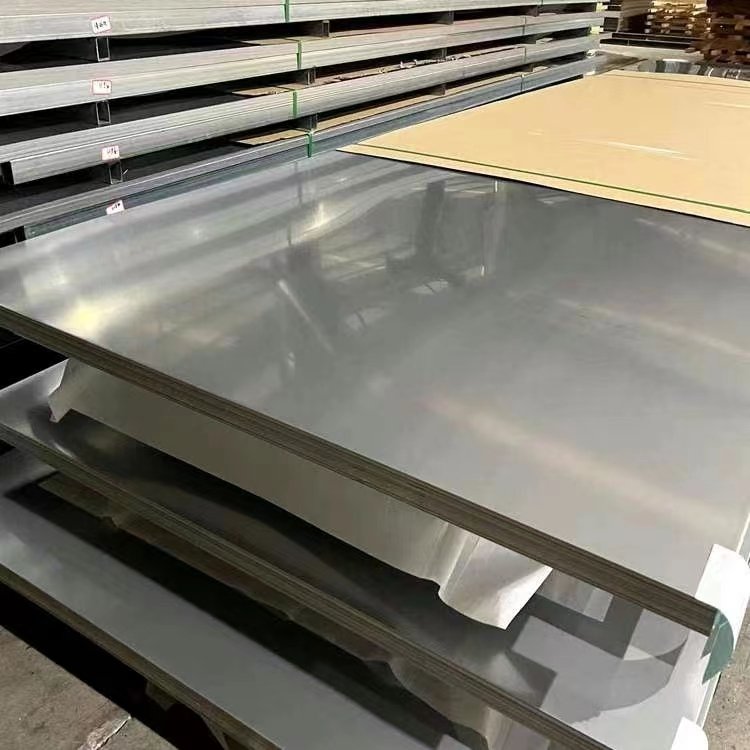
High-Performance Stainless Steel Sheets for Any Environment
Conclusion: Best Practices for Maintaining Corrosion Resistance
Maintaining the integrity of stainless steel welds requires a disciplined approach to material selection, heat management, and post-weld surface restoration. By using low-carbon filler metals and ensuring the complete removal of heat tint, fabricators can rebuild the essential chromium-oxide passive layer that prevents localized rusting and structural failure.
Strategic Material Selection and Surface Hygiene
Selecting the correct filler metal is the first step in preventing intergranular corrosion. Low-carbon “L” grade filler metals, such as ER308L or ER316L with a carbon content of 0.03% or less, match the base metal grade and prevent chromium carbide formation in the heat-affected zone. This choice ensures the chromium remains available to form a protective surface layer rather than being tied up in carbides.
Workplace cleanliness prevents external iron contamination from ruining a high-quality weld. Fabricators must maintain strict site hygiene by using dedicated stainless-steel brushes and abrasives that have never touched carbon steel. This practice prevents stray iron particles or grinding debris from embedding in the surface and initiating localized rust halos that compromise the entire assembly.
Thorough preparation of the joint area eliminates hidden contaminants before the arc is even struck. Solvent cleaning removes oils, moisture, and paint that can vaporize during welding and introduce carbon or hydrogen into the weld pool. Eliminating these impurities is necessary to keep the protective oxide layer pure and effective across the entire joint.
Thermal Control and Shielding Gas Optimization
Managing the heat cycle protects the metallurgical properties of austenitic stainless steels. Monitoring interpass temperatures to keep them below 175°C minimizes the duration the metal spends in the 500–800°C sensitization range. Controlling this thermal window prevents the depletion of chromium at the grain boundaries, which is a primary cause of weld decay.
Pulsed welding processes offer a technical advantage when working with thin-gauge sheets and pipes. Utilizing pulsed TIG or MIG parameters achieves full fusion while significantly lowering the total heat input into the part. This reduction in heat helps maintain the material’s original corrosion resistance and limits the surface discoloration that occurs with traditional constant-current methods.
Full-penetration welds on tubing and pressure vessels require protection on both sides of the joint. Stable back-purging protocols using argon shield the root side from oxygen during the welding process. Effective purging prevents “sugaring,” ensuring the interior surface remains smooth, hygienic, and as resistant to corrosion as the exterior face.
Surface Restoration and Quality Validation
Post-weld cleaning is a mandatory step to restore the steel’s passive state. Removing all heat tint and scale through pickling pastes or electrochemical cleaning tools allows for the immediate repassivation of the chromium-oxide film. Without this restoration, the chromium-depleted layer under the heat tint remains vulnerable to pitting and crevice corrosion.
Detailed inspection of the weld profile identifies physical defects that could trap corrosive agents. Checking for undercut, porosity, or lack of fusion ensures the joint is physically sound and easy to clean. Smooth transitions between the weld bead and the base metal are essential for long-term durability in hygienic environments, such as food processing or pharmaceutical manufacturing.
Verifying material integrity through documentation provides a final layer of quality assurance. Reviewing Material Test Certificates (MTC) and following ISO 9001:2015 quality checks confirms that the finished assembly meets international standards. These validation steps ensure the equipment will perform reliably in demanding chemical and food-grade applications over its intended service life.
Frequently Asked Questions
What is the best welder for stainless steel?
TIG welders are the top choice for stainless steel because they provide precise heat control and clean, spatter-free welds on thin material. MIG welders work well for thicker sections and higher production speeds, while multiprocess units offer flexibility for shops that handle various material thicknesses.
Why does stainless steel warp during welding?
Stainless steel warps due to its high thermal expansion rate and low thermal conductivity. Since the metal expands quickly under heat and does not pull that heat away from the weld zone efficiently, it creates localized stresses that cause the part to distort as it cools.
Is back-purging necessary for stainless steel joints?
You must back-purge with argon when welding pipe, tube, or open-root joints where the back side is exposed to air. This protects the root from oxidation, or sugaring, which would otherwise ruin the corrosion resistance and structural integrity of the weld.
Why do some stainless steel welds turn black?
A black weld indicates heavy oxidation caused by excessive heat or inadequate shielding gas coverage. This heat tint means the chromium has reacted with oxygen, depleting the protective layer of the steel and making the weld zone vulnerable to rust.
Can you weld stainless steel directly to carbon steel?
Yes, you can join these dissimilar metals using a 309L filler metal. This filler acts as a buffer to prevent cracking and maintains corrosion resistance at the interface, though the carbon steel side will still require coating to prevent rusting.
What are the primary uses for 308L filler metal?
308L filler is mainly used for welding 304 and 304L stainless steels in food processing, chemical tanks, and pharmaceutical equipment. Its low carbon content prevents carbide precipitation, which ensures the weld area stays as corrosion-resistant as the base metal.
Final Thoughts
Fabricating durable stainless steel structures depends on protecting the alloy’s chemical balance. Success requires more than just a strong bead; it demands careful heat management and strict surface hygiene to prevent the passive layer from breaking down. Ignoring these technical details often leads to premature rusting and structural failure in environments where corrosion resistance is non-negotiable.
Consistent results come from mastering pulse TIG settings and sticking to a rigorous post-weld cleaning routine. When technicians prioritize the restoration of the chromium-oxide film, they ensure the finished assembly withstands aggressive chemical or hygienic conditions. These practices turn a standard weld into a high-performance component that meets the strict demands of food-grade and pharmaceutical industries.