 Skip to content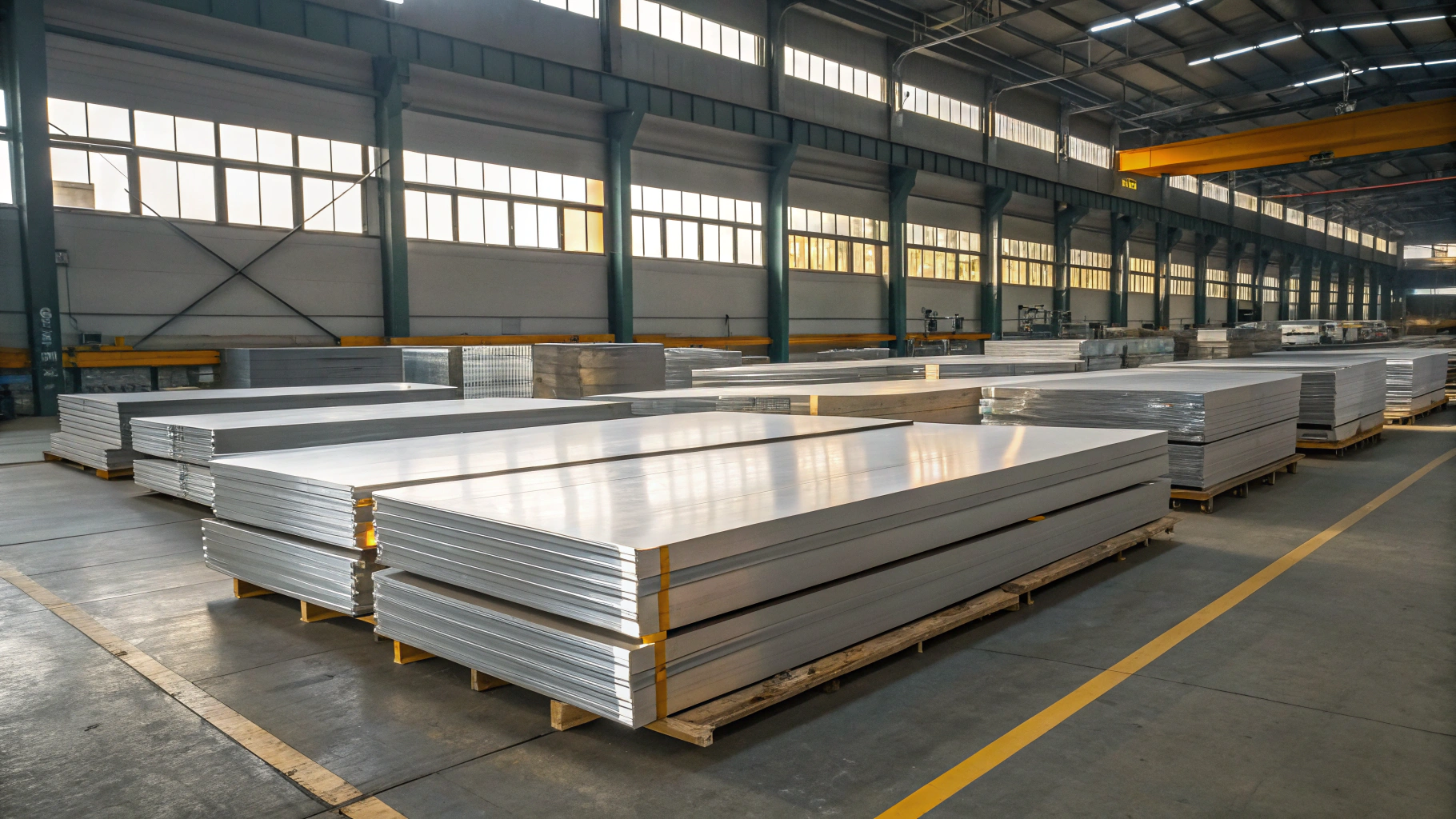
Chemical Composition:
| Element | Percentage |
|---|---|
| Carbon (max) | 0.030 |
| Chromium | 16.0-18.0 |
| Nickel | 10.0-14.0 |
| Molybdenum | 2.0-3.0 |
| Manganese (max) | 2.0 |
| Silicon (max) | 0.75 |
| Phosphorus (max) | 0.045 |
| Sulfur (max) | 0.030 |
Mechanical Properties:
| Property | Value |
|---|---|
| Tensile Strength (min) | 485 MPa |
| Yield Strength (min) | 170 MPa |
| Elongation (min) | 40% |
| Hardness (max) | 217 Brinell, 95 HRB |
316L stainless steel is widely used in:
316L offers excellent corrosion resistance, particularly in chloride environments. Key benefits include:
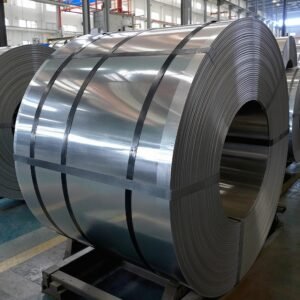
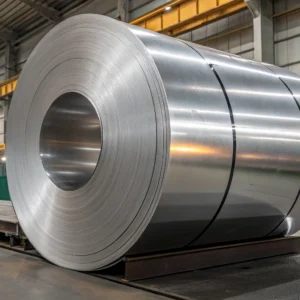
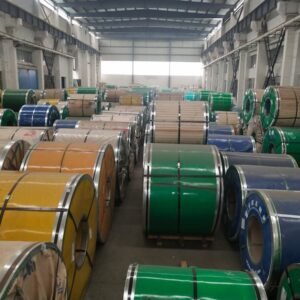
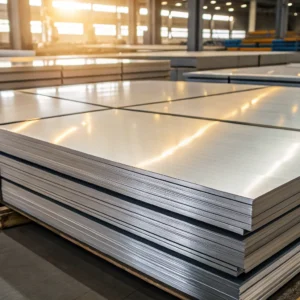
316L is typically produced through controlled rolling processes. Available forms include:
316L has excellent weldability due to its low carbon content. Key points:
| Grade | Yield Strength (min MPa) | Corrosion Resistance | Mo Content |
|---|---|---|---|
| 316L | 170 | Excellent | 2.0-3.0% |
| 316 | 205 | Very Good | 2.0-3.0% |
| 304 | 205 | Good | – |
121, Building 114, Jiangsu Street, Wuzhou International Industrial Expo City, Xinwu District, Wuxi City,Jiangsu Province,China
We will contact you within 1 working day, please pay attention to the email with the suffix “[email protected]”.