Skip to content


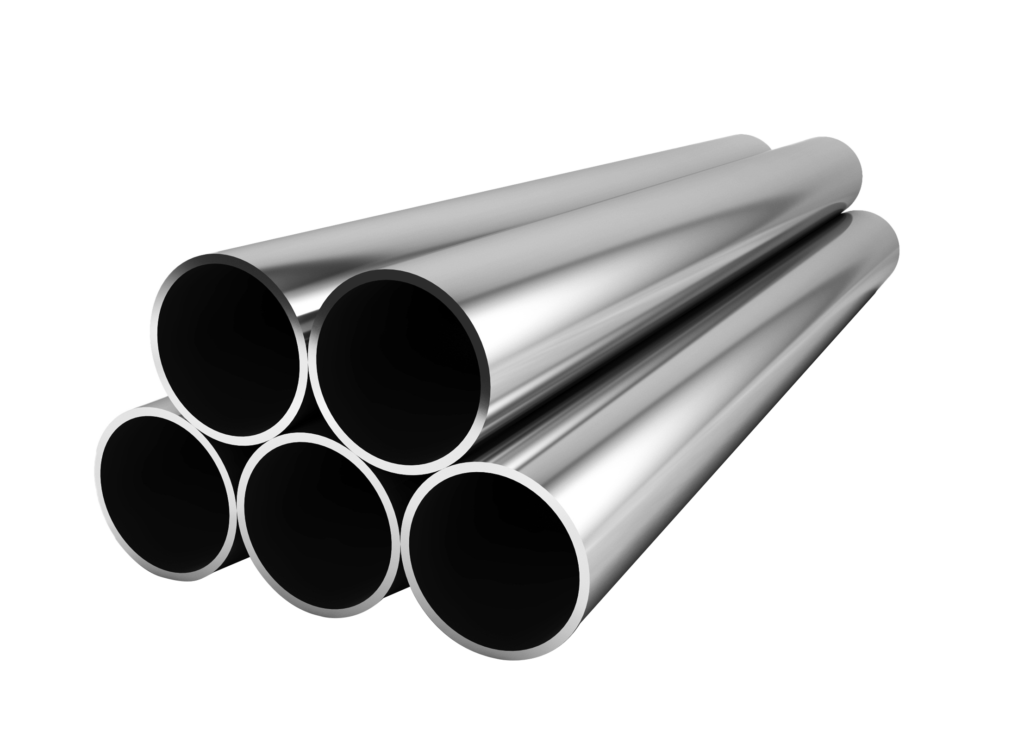
Procurement teams often face costly delays when they confuse stainless steel pipe with tube, leading to mismatched fittings or system failures. While these components look similar, they rely on different measurement systems and engineering standards that dictate their performance. Choosing the right one depends on whether your project requires standardized flow capacity or high-precision dimensional accuracy.
This article compares measurement protocols, manufacturing methods, and cost structures to help you make informed buying decisions. We explain why tubing typically costs 20% to 40% more than pipe due to cold-drawing processes and strict tolerances of ±0.001 inches. You will also find a breakdown of ASTM A312 and ASTM A269 standards to ensure your materials meet specific pressure and structural requirements.
The Fundamental Definition (ID vs. OD)
Stainless steel pipe uses Nominal Pipe Size (NPS) to maintain compatibility with standardized fittings, focusing on internal flow capacity. In contrast, tube relies on exact outside diameter (OD) and specific wall thickness (WT) measurements to ensure precision for structural or mechanical systems.
Functional Flow and Nominal Pipe Sizing
Stainless steel pipe dimensions follow the Nominal Pipe Size (NPS) system for sizes ranging from NPS 1/8 to NPS 12 (DN 6 to 300). This standardized approach maintains a constant outside diameter for any given NPS, ensuring the pipe fits with standard flanges, valves, and connections. While the outside diameter remains fixed, the internal diameter varies based on the wall thickness, which engineers specify using schedule numbers. An NPS 1/8 pipe, for example, maintains a fixed outside diameter of 0.405 inches regardless of the wall thickness selected. This method prioritizes internal flow capacity and system-wide interoperability in pressure-rated applications.
Exact Dimensional Control and Industry Standards
Tubing requires exact measurements of the outside diameter and wall thickness to meet the requirements of mechanical and structural systems. The internal diameter of a tube is a direct result of these specified dimensions, calculated by subtracting twice the wall thickness from the outside diameter. Manufacturers follow ASTM A999 and ASME B36.19M standards to maintain strict control over these dimensions. European EN ISO 1127 standards further define tolerance classes like D1, which restricts outside diameter variance to ±1.5% or ±0.75 mm. Additionally, wall thickness tolerances for cold seamless products often meet strict limits, such as the +20%/-0% range defined by GB13296, ensuring performance in high-precision environments.
Understanding Nominal Pipe Size (NPS) & Schedules
Nominal Pipe Size (NPS) uses dimensionless labels to standardize pipe diameters. For pipes 12 inches and smaller, NPS refers to the approximate inside diameter; for 14 inches and larger, it matches the exact outside diameter. Pipe schedules define wall thickness, which determines the pressure rating and actual internal bore size.
| NPS Designation | DN Metric Equivalent | Outside Diameter (ASME) |
|---|---|---|
| NPS 2 | DN 50 | 60.3 mm (2.375 in) |
| NPS 4 | DN 100 | 114.3 mm (4.500 in) |
| NPS 12 | DN 300 | 323.8 mm (12.75 in) |
| NPS 14 | DN 350 | 355.6 mm (14.00 in) |
Decoding NPS and Metric DN Designations
NPS serves as a North American standard that creates a consistent naming convention for piping components across various industries. For sizes up to 12 inches, the nominal size loosely reflects the inside diameter, though the actual measurements change based on the selected wall thickness. Once a pipe reaches 14 inches or larger, the NPS designation matches the outside diameter exactly. This shift helps engineers maintain precise external dimensions for large-scale structural layouts.
Global projects frequently utilize the DN (Diamètre Nominal) system defined by ISO 6708. Procurement teams map NPS values to these metric equivalents to ensure interoperability between international suppliers. For example, DN 100 corresponds to NPS 4. ASME standards fix the outside diameter for any specific NPS, which ensures that valves, flanges, and gaskets fit the pipe regardless of how thick the pipe walls are.
Schedule Numbers and Wall Thickness Calculations
Pipe schedules, such as Sch 40 or Sch 80, indicate the specific wall thickness of the piping material. Higher schedule numbers represent thicker walls, providing the structural integrity required to handle significant internal pressure. As the schedule increases for a specific NPS, the outside diameter remains constant while the internal bore size decreases. This relationship allows designers to increase pressure capacity without altering the external layout or support structures.
Calculations for the actual internal diameter (ID) involve subtracting twice the wall thickness from the nominal outside diameter. These values are critical for determining flow rates and velocity within the system. HnL STEEL provides materials verified by ISO 9001:2015 standards to guarantee that wall thicknesses remain within allowable tolerances. Every shipment includes Material Test Certificates (MTC) to confirm that the steel grades and schedule ratings meet ASTM requirements for safety and performance.
Tubing Measurement: Exact OD and Wall Thickness
Tubing is measured by its actual outside diameter (OD) and wall thickness, unlike pipe which uses nominal sizing. For instance, a 1/2-inch tube has a literal 0.500-inch OD. This precision allows for secure connections with compression fittings in high-pressure systems and instrumentation.
| Tube OD (Fractional/Metric) | Wall Thickness (Decimal) | Working Pressure (Approx.) |
|---|---|---|
| 1/8 in. (3.175 mm) | 0.028 in. | 8,500 psig |
| 1/2 in. (12.7 mm) | 0.065 in. | 5,100 psig |
| 3 mm (0.118 in.) | 0.5 mm | 330 bar |
| 1 in. (25.4 mm) | 0.083 in. | 3,100 psig |
Outside Diameter Standards for Fractional and Metric Tubing
Industrial tubing dimensions represent the true physical outside diameter. This precision ensures compatibility with compression fittings and eliminates the sizing ambiguity found in nominal pipe systems. Fractional OD ranges typically span from 1/16 in. to 2 in., while metric sizes range from 2 mm to 25 mm. Standards such as ASTM A269 and A213 govern the dimensional tolerances for seamless and welded austenitic stainless steel tubing. Engineers prefer materials like 304L and 316L (UNS S31603) for their optimal weldability and corrosion resistance. Suppliers like HnL STEEL provide material test certificates (MTC) to verify exact OD compliance for critical global applications.
Wall Thickness Variables and Pressure Ratings
Wall thickness is measured in decimal inches or millimeters rather than using pipe schedules. Industry standards include common sizes such as 0.035 in., 0.049 in., and 0.065 in. Professionals calculate pressure ratings using ASME B31.3 formulas, allowing a 1/2 in. OD tube with a 0.065 in. wall to handle approximately 5,100 psig. Standard gauge-to-decimal conversions simplify selection, where 16 gauge correlates to 0.065 in. and 20 gauge translates to 0.035 in. High-pressure environments in the energy sector demand thicker walls, while thinner walls satisfy sanitary and structural needs. Metric tubing documentation often includes specific ID ranges, such as a 3 mm OD with a 0.5 mm wall, to assist in precise flow rate calculations.
High-Performance Stainless Steel Sheets for Every Industry

Structural vs. Transport Applications
Stainless steel pipes serve as conduits for fluid and gas transport, sized by internal volume and pressure capacity. In contrast, stainless steel tubes act as structural or mechanical members where exact outside dimensions and strength-to-weight ratios determine their use in frames, medical devices, and architectural supports.
Load-Bearing Integrity and Precision in Structural Tubing
Engineers select ASTM A554 welded tubing for architectural handrails and structural frames because it provides predictable section modulus and buckling resistance. These structural members often utilize square or rectangular profiles, which simplify joining and alignment in complex mechanical assemblies compared to standard round piping.
Precision applications, such as heat-exchanger bundles, rely on ASTM A213 seamless tubes to maintain an exact fit within tube sheets. Tighter dimensional tolerances and polished surface finishes support the aesthetic requirements of visible construction and the strict hygiene standards of medical equipment.
Pressure-Rated Conduits for Fluid and Gas Distribution
Piping systems prioritize hoop strength and hydraulic efficiency to manage internal pressure ratings and flow rates. Standards like ASTM A312 and A358 govern pipes utilized in corrosive chemical lines and high-temperature power plant services. Engineers design these systems to withstand specific PSI ratings while maintaining optimal fluid or gas distribution.
System designers use Schedule 40 and Schedule 80 wall thicknesses to meet ASME B31.3 process piping code requirements. Looser outside diameter tolerances are acceptable here because the primary design focus remains the internal diameter and flow area. This engineering priority ensures that the pipe functions as a reliable pressure-rated conduit for transport.
Manufacturing Methods: Seamless vs. Welded
Seamless pipe is produced by hot-piercing solid billets to create a uniform, seam-free structure for high-pressure service. Welded pipe is formed from flat stainless steel coil or plate joined by longitudinal seams, offering a cost-saving alternative (typically 20-40% lower) for large-diameter and standard-pressure applications.
Production Techniques for Seamless and Welded Sections
Seamless production begins with a solid cylindrical billet of 304 or 316 stainless steel. Manufacturers heat this billet and use a rotary-piercing process to create a hollow shell without any weld metal. This method ensures a continuous circumferential grain flow, which eliminates the heat-affected zones (HAZ) found in joined materials. Because the pipe possesses a uniform metallurgical structure, it demonstrates superior resistance to hoop stress and maintains consistent mechanical properties across its entire diameter.
Welded pipe manufacturing starts with stainless steel plate or coiled “skelp” rolled into a cylinder. A longitudinal weld joins the edges using Electric Resistance Welding (ERW), Tungsten Inert Gas (TIG), or laser welding techniques. While this process introduces a seam, modern manufacturing controls help the weld area approach the strength of the parent metal. ASTM A312 standards govern the production of both types, ensuring these pipes meet specific chemical and mechanical requirements for corrosive environments through 2026.


Pressure Capacity and Quality Control Standards
Seamless pipe generally handles higher internal pressures and complex pressure cycles because it lacks the theoretical “weakest link” of a longitudinal seam. This makes it the preferred choice for critical high-pressure service in chemical processing and oil and gas applications. Conversely, welded pipe provides a 20-40% cost advantage over seamless options. It also offers better availability for large-diameter sizes exceeding 12-inch NPS, where hot-piercing solid billets becomes technically difficult or economically impractical.
Engineers rely on ASME B36.19M to define dimensional standards for both manufacturing routes, covering Nominal Pipe Sizes (NPS) and Schedules 5S through 160. Quality assurance remains a priority for both types but utilizes different methodologies. Seamless pipe undergoes ultrasonic (UT) or eddy-current testing to identify internal wall defects and validate thickness. Welded pipe requires focused inspection of the seam via radiographic (RT) or dye-penetrant (PT) testing to ensure the integrity of the fusion zone and the absence of surface cracks.
Pressure Ratings and ASTM Standards
Pipes and tubes follow different ASTM standards to ensure safety under pressure. ASTM A312 governs stainless steel pipes for high-temperature and general corrosive service, while ASTM A213 and A269 apply to tubes. Pressure ratings depend on wall thickness, material grade (such as 304 or 316), and operating temperatures, with seamless construction typically offering 100% efficiency compared to 85% for welded joints.
ASTM Specifications for Industrial Service
ASTM A312 serves as the primary standard for seamless and welded austenitic stainless steel pipes intended for high-pressure environments. This specification covers common material grades including TP304 and TP316. Using low-carbon variants like 304L or 316L helps prevent sensitization during the welding process, which protects the integrity of the pipe in corrosive settings. Standardized schedules, such as SCH 10S, 40S, and 80S, define the wall thickness required to meet specific safety margins across various pipe diameters.
ASTM A213 and A269 apply specifically to stainless steel tubing rather than piping. These standards focus on strict tolerances for outside diameter and wall thickness, which is critical for equipment like heat exchangers or instrumentation lines. Unlike pipes that use nominal sizes, tubes are measured by actual outside diameter and Birmingham Wire Gauge (BWG) or decimal wall thickness. This distinction ensures that tubing meets the precision requirements of specialized industrial machinery.
Working Pressure and Temperature Derating
The design strength of materials shifts based on the operating environment. For TP304 seamless pipe, the design strength is rated at 138 MPa (20,015 psi) for temperatures between 50°C and 150°C. As the operating temperature increases, the allowable pressure decreases significantly to maintain safety. For example, the allowable stress drops to 100 MPa at 500°C and reaches a low of 21 MPa at 725°C. System designers must account for this thermal derating when selecting materials for high-heat applications.
Manufacturing methods also dictate the final pressure rating of a component. Welded pipe typically requires a 15% reduction in allowable pressure, operating at 85% joint efficiency compared to seamless construction. Engineers apply the pipe schedule formula (Sch = P / [σ]_t × 1000) to determine the appropriate wall thickness. This calculation uses the internal pressure (P) and the allowable stress of the material ([σ]_t) at its maximum operating temperature to ensure the selected pipe can withstand the mechanical loads of the system.
Cost Differences: Pipe vs. Tube
In 2026, stainless steel tube typically carries a higher price per meter than pipe of an equivalent nominal size. This premium stems from tighter dimensional tolerances, often within ±0.001–0.005 inches, and the extensive cold-drawing and polishing required to meet precision standards like ASTM A269.
Manufacturing Complexity and Tolerance Standards
Production for tubing adheres to ASTM A269 or ASTM A554 standards. These specifications require multiple cold-drawing passes and several annealing stages to meet strict dimensional accuracy. Each additional stage adds significant labor and energy costs to the final product.
Precision finishing accounts for a large portion of the cost. Sanitary and high-performance tubes often require mechanical polishing to achieve a surface roughness of Ra ≤ 32 µin. Standard pipes utilize basic mill or pickled finishes, which involve far less processing time and lower operational expenses.
Tight tolerance bands, frequently ranging from ±0.025 mm to ±0.127 mm, increase production scrap rates and inspection time. These requirements far exceed the more relaxed dimensional tolerances allowed for industrial pipe, forcing manufacturers to price tubing as a premium precision component.
Pricing Dynamics per Meter and Procurement Considerations
Stainless steel pipe produced to ASTM A312 and ASME B36.19M standards optimizes for bulk fluid transport. This manufacturing approach results in a lower cost per kilogram through less intensive processing and high-volume output. The focus remains on pressure containment rather than exact outer diameter precision.
Tubing often features thinner wall gauges than pipe, yet the higher processing premium per unit of weight makes it the more expensive choice for structural or instrumentation projects. The manufacturing route dictates the price more than the raw material weight in most commercial applications.
Buying teams prioritize Schedule 40 or Schedule 80 pipes for flow-based systems to reduce capital expenditure. They reserve tubing for applications where exact outer diameter fits, specific interior cleanliness, or high-aesthetic finishes are mandatory, such as in pharmaceutical or semiconductor environments.
Ordering Checklist for Buyers
Successful procurement requires specifying the correct ASTM standard (like A312 for pipe or A213 for tube), selecting suitable material grades such as 304 or 316L, and defining precise dimensions including wall thickness and tolerances. Buyers should also mandate Material Test Certificates and pre-shipment inspections to ensure structural integrity and compliance.
Specifying Material Grades and Dimensional Standards
Procurement teams select material grades like AISI 304, 304L, 316, or 316L based on the corrosion resistance and environmental exposure of the project. The choice between standards depends on the application; pipes typically follow ASTM A312 for general service or API 5L for oil and gas, whereas tubing often adheres to ASTM A213 for heat exchangers or ASTM A269 for general service. For extreme environments, duplex grades under ASTM A789 or A790 provide higher strength and resistance.
Dimensions for stainless steel pipes rely on Nominal Pipe Size (NPS) and Schedule designations, such as SCH 10S, SCH 40S, or SCH 80S, according to ASME B36.19M. Tubing requires precise Outside Diameter (OD) and specific wall thickness measurements rather than nominal schedules. Buyers must also define the manufacturing method, such as seamless hot-rolled or welded options like ASTM A358 electric fusion welded pipes. Standard lengths generally come in 6m or 12m increments, but custom cutting requirements should be established during the initial order phase.
Verifying Quality Control and Documentation
A comprehensive Material Test Certificate (MTC) is necessary for every order to confirm that the chemical composition and mechanical properties meet ISO 9001:2015 requirements. This documentation provides the traceability needed for critical engineering projects. Multi-point measurements verify that the OD, ID, and wall thickness remain within the strict tolerances set by ASTM A312M or ASME B36.19M. These checks prevent structural failures caused by wall thickness variations relative to the pipe diameter.
Inspection protocols include checks for straightness and ovality to prevent installation issues in pressure-sensitive systems. Buyers often engage third-party agencies such as SGS or BV to conduct pre-shipment inspections focusing on surface defects and marking accuracy. Every item must feature correct markings, including heat numbers, material grades, and manufacturer logos. This level of detail ensures that all piping and tubing products are fully traceable back to their original heat treatment and melt batch.
Final Thoughts
Pipe serves best for fluid transport and standardized industrial systems where internal capacity and pressure ratings drive the design. Tubing works better for mechanical applications, structural frames, and instrumentation where exact outside diameters and tight tolerances are required.
Matching the material to the engineering standard prevents installation errors and budget overruns. While tubing carries a higher price per meter, its precision saves time in specialized assemblies. Verifying ASTM specifications and material test certificates ensures the steel grades handle the expected pressure and temperature of the environment.
Frequently Asked Questions
How do measurements differ between stainless steel pipes and tubes?
Pipe follows Nominal Pipe Size (NPS) which defines the outside diameter based on standardized schedules; for instance, an NPS 1/2 pipe has a 0.840-inch OD. Tube uses the exact outside diameter and wall thickness, meaning a 1-inch tube measures exactly 1 inch across.
What does Schedule 40 signify in piping specifications?
Schedule 40 defines a standardized wall thickness under ASME B36.10M. It balances pressure capacity and material cost. For an NPS 14 pipe, Schedule 40 designates a wall thickness of 0.437 inches (11.1 mm).
Is seamless steel pipe stronger than welded pipe?
Seamless pipe offers higher strength because it lacks a weld seam, which removes potential weak points. Welded pipe typically handles 20% less working pressure than its seamless equivalent.
Can you apply threads to stainless steel tubing?
You can thread pipe made to NPS standards like ASTM A312. Thin-wall tubing under ASTM A269 or A554 usually lacks the wall thickness required for standard NPT threads. Only heavy-wall tubes specifically designated for threading should receive threads.
What distinguishes ASTM A312 from ASTM A269 standards?
ASTM A312 covers pipes for high-pressure industrial processes with larger outside diameter ranges and looser tolerances. ASTM A269 covers tubing for high-precision uses like medical or instrumentation equipment, requiring tighter dimensional tolerances and smoother surface finishes.
Why does stainless steel tubing cost more than standard pipe?
Tube costs roughly 20% to 40% more per kilogram than pipe. This price gap stems from the stricter manufacturing tolerances and superior surface finishes required for tubing compared to standard commodity pipe products.